
Bonsai living · art · well-being
10 Incredible Bonsai Plant Benefits You Need to Know About
From creative expression and mindful care to a closer connection with nature, bonsai offers rewards that reach far beyond its compact size.
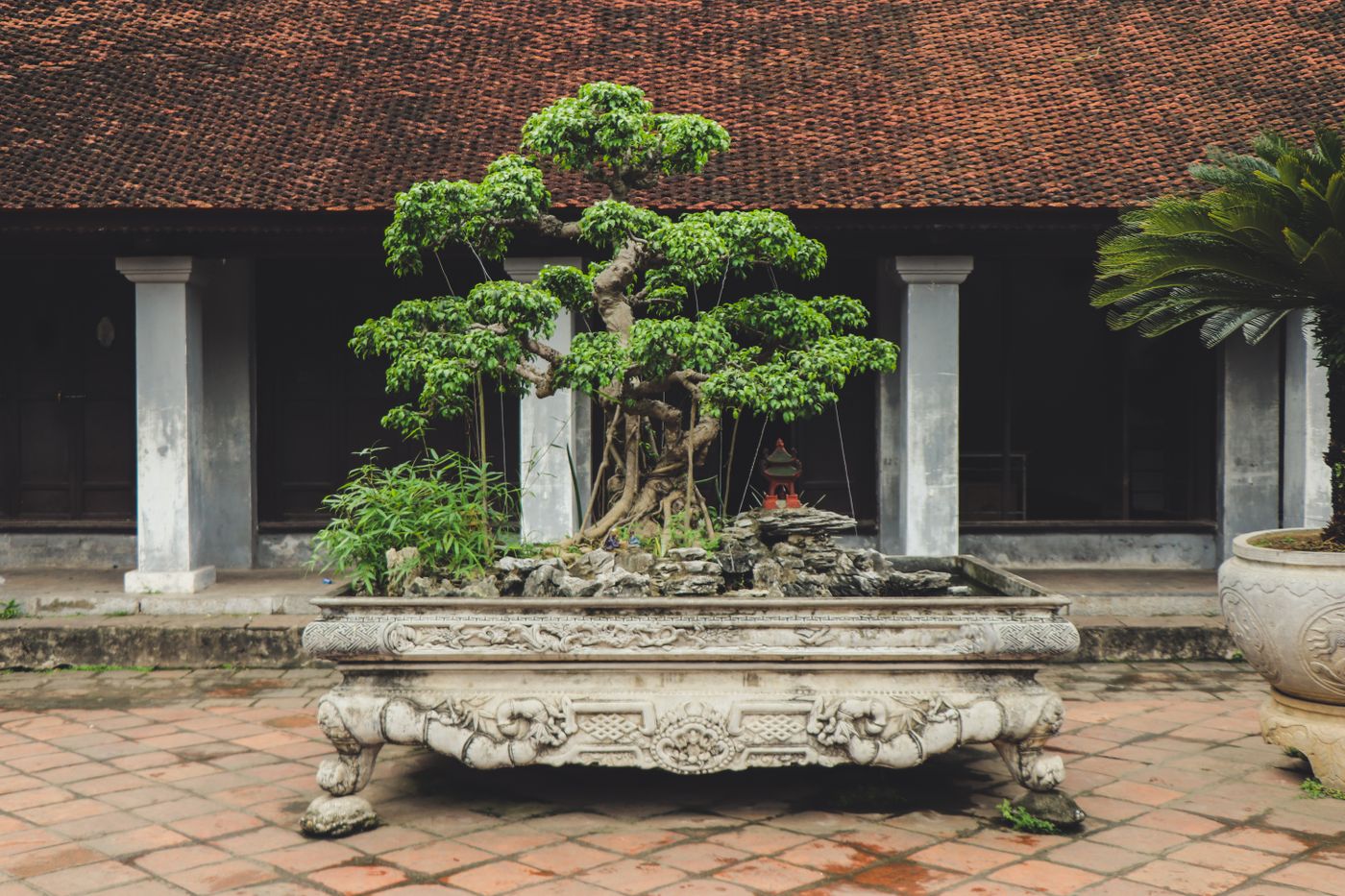
The popularity of bonsai has grown tremendously over the past few years. Garden centers, hardware stores, and modern furnishing emporiums now sell bonsai, while bonsai clubs attract a growing number of young people eager to learn how to grow miniature trees.
Bonsai can be grown in windows that are not too bright or too hot, and some can even suit bathrooms. Depending on whether you live in a cold or temperate climate, suitable bonsai can thrive inside or outside.
Bonsai provides diverse forms of pleasure to its owners. Here are ten compelling reasons to welcome this living art into your life.
Looking for a species that suits your space? Explore our guide to indoor bonsai trees.
01
A Living Form of Art
Bonsai is a form of art, and you are the artist. It can provide the same enjoyment as painting a picture or designing a flower garden. Although bonsai has established styling guidelines, you can follow them or experiment with something different.
02
The Satisfaction of Nurturing
Gardeners often describe the satisfaction of growing healthy plants and watching them change over time. Nurturing a living object can satisfy the desire to contribute to something outside yourself.
03
A Sense of Inner Peace
Bonsai is nature’s theater in miniature. Observing a self-contained and refined natural world at home can inspire the same peace and awe that people seek during a long outdoor walk.
04
A Welcoming Community
Thousands of bonsai enthusiasts around the world share this interest. Clubs in North America, online, and overseas bring diverse people together to exchange practical information and a passion for the art of bonsai.
05
Mindful Care and Focus
Caring for a bonsai can be a calming, meditative activity. Its slow and intentional rhythm encourages patience, attention to detail, concentration, and awareness of the present moment.
- Stress reduction: Routine care can create a quiet pause in the day.
- Improved focus: Pruning, watering, and observation reward careful attention.
- Mindfulness: Working slowly with a living tree keeps attention in the present.
06
More Greenery Indoors
Like other houseplants, an indoor bonsai brings living greenery into a home or office. Its foliage participates in normal plant processes while its presence helps a room feel more connected to nature.
07
A Connection to Bonsai History
People have practiced forms of bonsai cultivation for roughly two thousand years. Pruning and shaping techniques have evolved alongside naturalistic and exaggerated styles. Combining this tradition with your own methods connects you with generations of bonsai artists, enthusiasts, and growers.
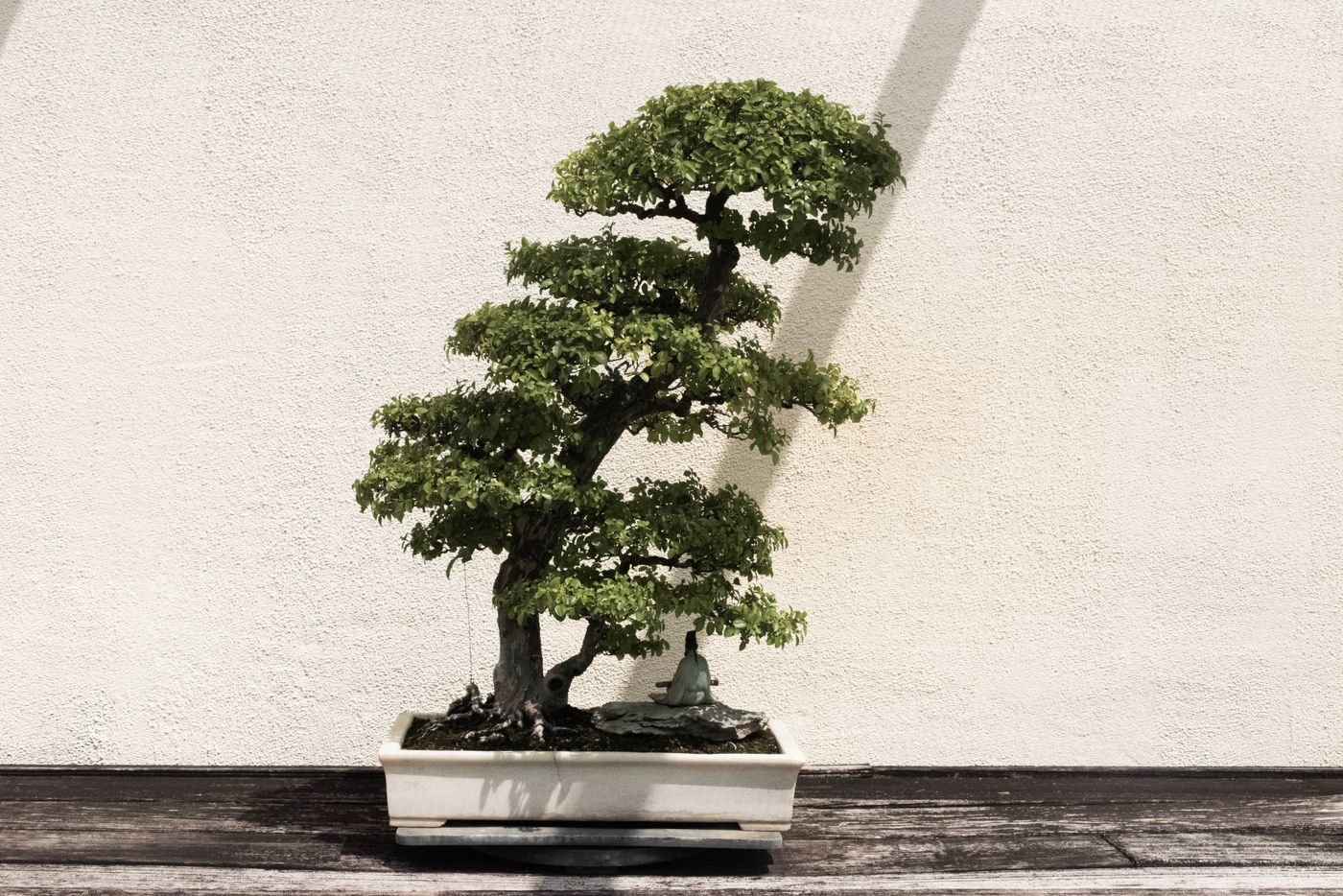
Nature at human scale
A tree that would tower outdoors can become a carefully observed landscape within a limited living space.
08
A Legacy That Can Outlive Its Grower
With consistent care and suitable conditions, a bonsai can remain with a family for generations. Long-lived specimens become a record of the creative decisions made by each person who has cared for them.
09
Sculptural Beauty in a Small Space
With its striking lines, harmonious balance, and portrayal of nature, bonsai can become a focal point indoors or outside. Not every species can survive indoors, but suitable trees can thrive in a house or apartment when their light, humidity, and care needs are met.
In nature, trees such as ficus can grow very tall. Bonsai gives you the opportunity to display the character of a tree in a limited space—even as a miniature forest inside your home.
10
Seasonal Change, Flowers, and Fruit
Like full-size trees outdoors, many bonsai reflect the changing seasons. Their foliage may shift color, while flowering and fruiting species add another layer of interest. Crab apple bonsai can produce fruit, Serissa foetida can form clusters of flowers, and Japanese maples are prized for their fall color.
Explore our selection of Japanese maple varieties for bonsai.
The Reward Is in the Relationship
Bonsai combines patient care, close observation, creativity, and contact with the natural world. Whether you keep one compact tree or develop a collection over time, the practice offers something new to notice in every season.