
AgroTexGlobal · Nutrition
Nutrition Facts
A guide to all the fruits and vegetables, nutrition facts, storage and availability.
Fruits A to Z
Alphabetical List of Fruits
List of fruits A to Z with nutrition facts, storage tips, and seasonal availability.
Vegetables A to Z
Alphabetical List of Vegetables
List of vegetables A to Z with nutrition facts, storage tips, and seasonal availability.
List of fruits A to Z (Nutrition Facts)
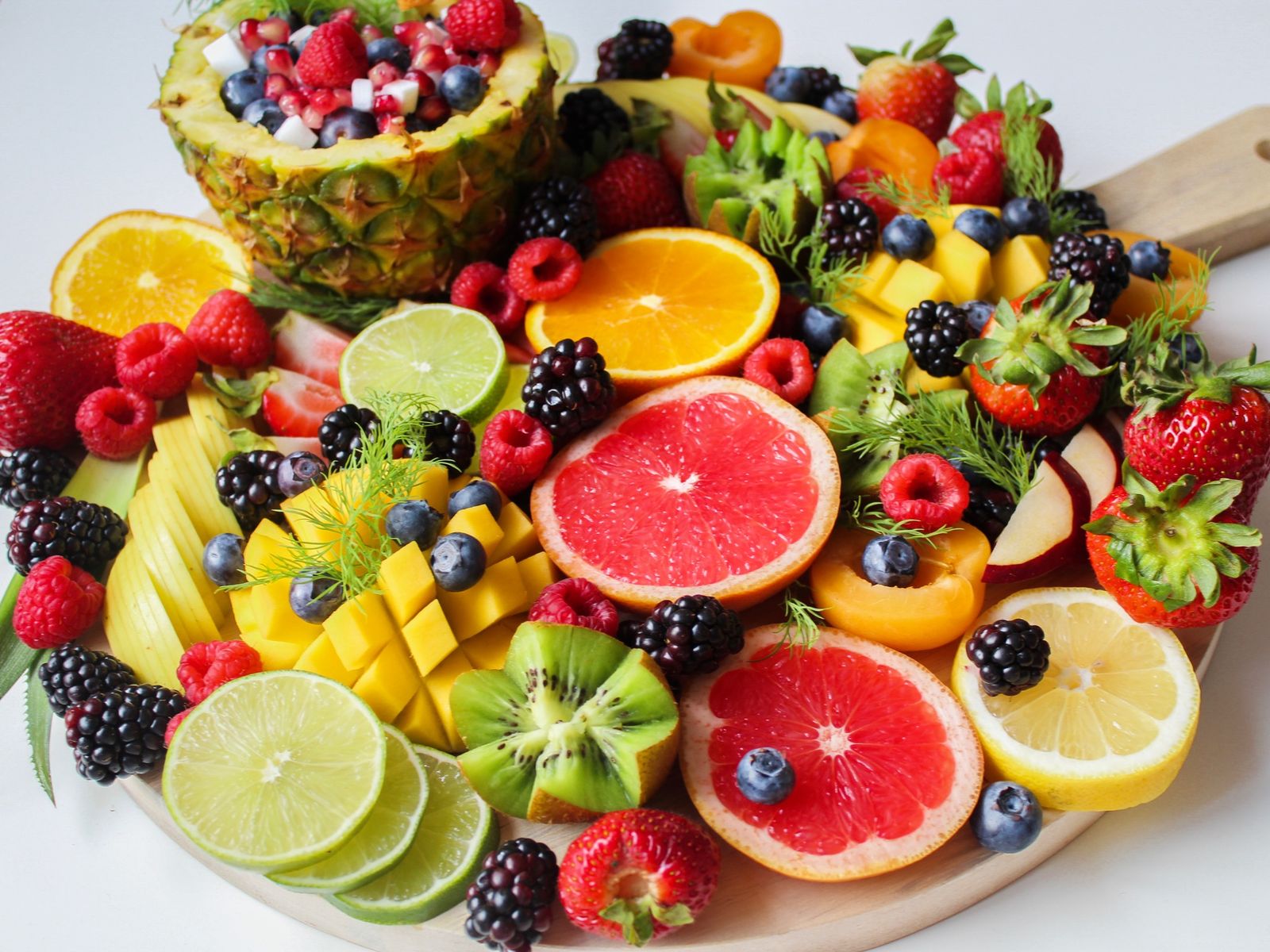
Every fruit below is listed alphabetically with its headline nutrients, how to store it at home, and when it is naturally in season. Storage notes follow one simple rule: fruit that keeps ripening after harvest finishes ripening on the counter, then moves to the refrigerator.
A
- Apple — A good source of fiber and vitamin C. Refrigerate for the crispest texture; the autumn harvest keeps apples available all year.
- Apricot — Provides vitamin A and vitamin C. Ripen at room temperature, then refrigerate; the fresh season runs from late spring to midsummer.
- Avocado — Rich in heart-healthy monounsaturated fats. Ripen on the counter, then move to the refrigerator; imports keep it available year-round.
B
- Banana — Well known for potassium and vitamin B6. Store at room temperature, away from other fruit; available all year.
- Blueberry — Among the most antioxidant-rich berries, plus vitamin K and manganese. Refrigerate dry and rinse just before eating; peak season is summer.
C
- Cantaloupe — High in vitamins A and C. Keep a whole melon on the counter and refrigerate cut pieces covered; best in summer.
- Cherry — Contains vitamin C and anthocyanin pigments. Refrigerate unwashed, stems on; fresh cherries run from late spring through summer.
D
- Date — Very high in fiber and potassium. Keep in an airtight container; harvested in autumn but sold dried and available year-round.
F
- Fig — A source of fiber and calcium. Refrigerate ripe figs and eat within a few days; fresh figs peak in late summer and autumn.
G
- Grape — Supplies vitamin C and vitamin K. Store unwashed in the refrigerator; the harvest peaks from late summer into autumn.
- Grapefruit — Famous for vitamin C. Keeps for a week at room temperature and longer in the refrigerator; at its best in winter.
K
- Kiwi — Very high in vitamin C and a good source of vitamin K. Ripen at room temperature, then refrigerate; imported fruit is plentiful in winter.
L
- Lemon — Best known for vitamin C. Keeps for weeks in the refrigerator; available all year.
- Lime — Provides vitamin C and bright acidity for cooking. Refrigerate in a bag; available all year.
M
- Mango — Rich in vitamins A and C. Ripen on the counter until fragrant; the season runs from spring through summer, with imports the rest of the year.
O
- Orange — A classic vitamin C source, plus folate. Store loosely in the refrigerator or a cool bowl; winter is the peak season.
P
- Papaya — Offers vitamin C and vitamin A. Ripen at room temperature; tropical production keeps it available year-round.
- Peach — Contains vitamins A and C. Ripen stem-side down on the counter, then refrigerate; summer is the season for fresh peaches.
- Pear — A gentle source of fiber and vitamin C. Ripen on the counter, then refrigerate; the autumn crop stores into winter.
- Pineapple — High in vitamin C and manganese. Keep at room temperature and cut just before serving; available all year.
- Plum — Provides vitamin C and vitamin K. Ripen on the counter, then refrigerate; fresh plums peak in summer.
- Pomegranate — Loaded with antioxidant pigments, plus vitamin K and folate. Refrigerate whole for weeks; the season is autumn into winter.
R
- Raspberry — High in fiber, vitamin C, and manganese. Very perishable — refrigerate and eat within a couple of days; summer is peak season.
S
- Strawberry — An excellent source of vitamin C and manganese. Do not wash until just before eating; spring and early summer berries are the sweetest.
W
- Watermelon — Mostly water, with vitamins A and C and lycopene. Keep whole on the counter and refrigerate cut pieces; a signature summer fruit.
List of vegetables A to Z (Nutrition Facts)
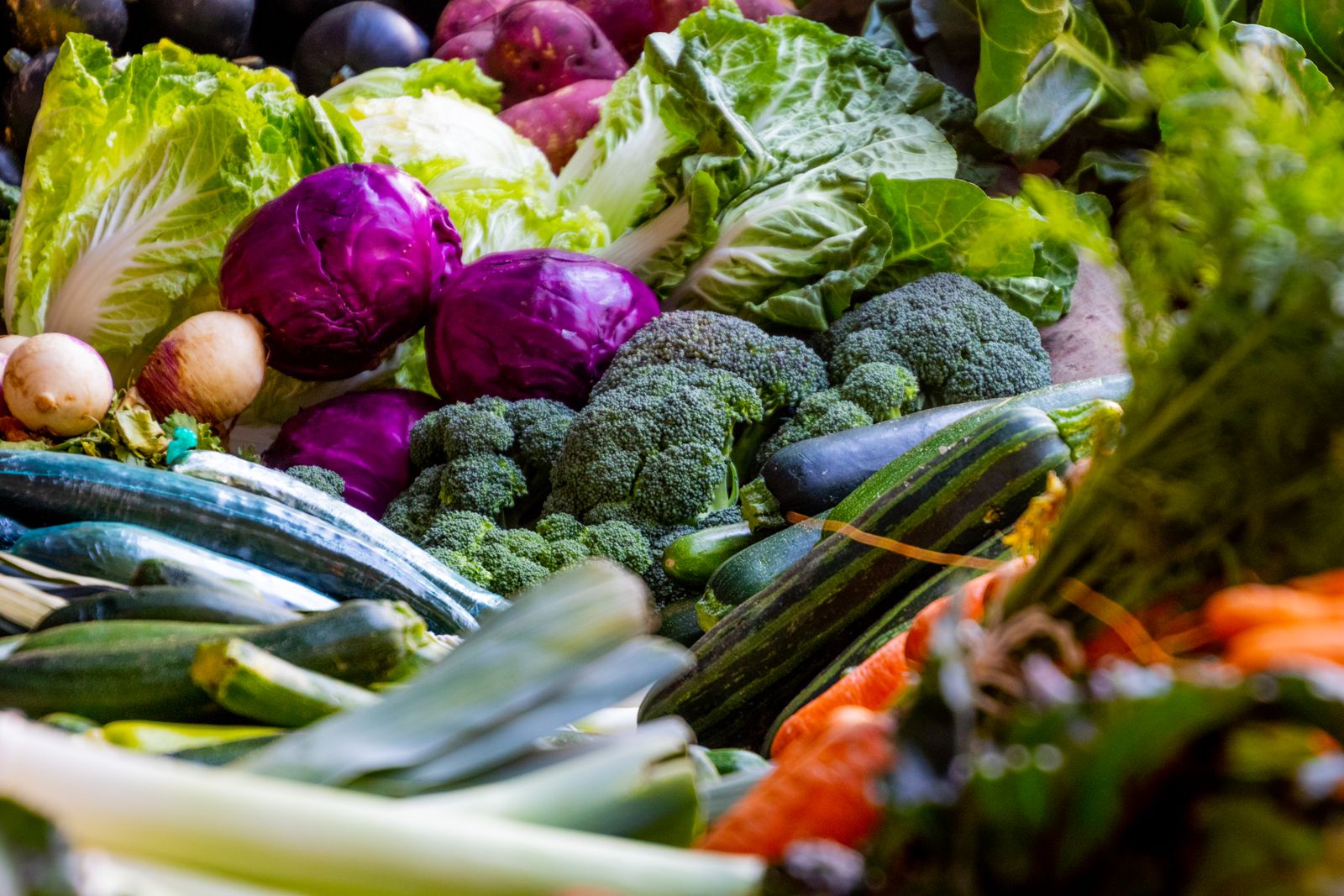
The vegetable list follows the same A to Z structure: the key nutrients each crop brings, the storage method that keeps it fresh longest, and the time of year it is at its best. Leafy vegetables and cucumbers belong in the refrigerator; onions, garlic, potatoes, and pumpkins prefer a cool, dark, dry spot.
A
- Artichoke — High in fiber and folate. Refrigerate in a plastic bag and use within a week; spring is the classic season.
- Asparagus — A strong source of folate and vitamin K. Stand spears in a little water or wrap in a damp cloth; the fresh season is short and springy.
B
- Beetroot — Rich in folate and potassium. Remove the leafy tops and refrigerate the roots; an autumn crop that stores for months.
- Broccoli — High in vitamins C and K. Keep in a loose bag in the refrigerator and use within a few days; best from autumn through spring.
- Brussels sprouts — Very high in vitamins C and K. Refrigerate in the coldest part of the fridge; the flavor improves after the first cold weather.
C
- Cabbage — Packed with vitamin C and vitamin K. A whole head keeps for weeks in the refrigerator; the autumn and winter harvest stores the longest.
- Carrot — The classic beta-carotene (vitamin A) vegetable. Refrigerate away from ripening fruit; available fresh all year.
- Cauliflower — High in vitamin C. Keep in a perforated bag in the crisper; best from autumn through early spring.
- Celery — A source of vitamin K with a high water content. Wrap in foil in the refrigerator; available all year.
- Cucumber — Refreshing and hydrating, with vitamin K. Refrigerate and use within a week; the outdoor crop peaks in summer.
E
- Eggplant — Contains fiber and antioxidant pigments in the skin. Store in a cool room rather than a very cold fridge and use quickly; a summer vegetable.
G
- Garlic — Provides manganese and distinctive sulfur compounds. Keep it dry, dark, and ventilated; harvested in summer but stores all year.
K
- Kale — One of the richest leafy sources of vitamins A, C, and K. Refrigerate in the crisper; cold weather sweetens the winter crop.
L
- Leek — Supplies vitamin K and manganese. Refrigerate in a bag; at its best from autumn through winter.
- Lettuce — Provides folate and vitamin K. Keep in the crisper and wash just before use; spring and autumn crops are the mildest.
M
- Mushroom — A natural source of B vitamins and selenium. Store in a paper bag in the refrigerator; cultivated mushrooms are available all year.
O
- Onion — Contains vitamin C and vitamin B6. Keep dry, dark, and ventilated — never in plastic; the summer harvest stores for months.
P
- Parsnip — A sweet root high in fiber and folate. Refrigerate in a bag; frost improves the winter harvest.
- Peas — Offer plant protein, vitamin C, and fiber. Refrigerate the pods and shell close to cooking; the season is short and sweet in spring.
- Bell pepper — Among the highest common vegetables in vitamin C. Refrigerate in the crisper; summer is peak season.
- Potato — Provides vitamin C, vitamin B6, and potassium. Store in a cool, dark pantry away from onions; the autumn crop lasts all year.
- Pumpkin — Very high in beta-carotene (vitamin A). Keep whole in a cool, dry place; the autumn harvest stores for months.
R
- Radish — A crisp, peppery source of vitamin C. Remove the tops and refrigerate; one of the quickest crops from spring gardens.
S
- Spinach — Rich in iron, folate, and vitamins A and K. Refrigerate and use within a few days; spring and autumn are the main seasons.
- Sweet potato — High in beta-carotene and vitamin C. Store in a cool, dry place — refrigeration damages the texture; autumn into winter.
T
- Tomato — Supplies vitamin C, potassium, and lycopene. Never refrigerate — the flavor suffers; summer tomatoes are the best.
- Turnip — Provides vitamin C and fiber. Refrigerate in a bag; the autumn and winter crop is the sweetest.
Z
- Zucchini — Light and low in calories, with vitamin C and potassium. Refrigerate in a bag and use within a week; a signature summer vegetable.
Storage basics that apply to everything
- Do not wash before storing. Moisture speeds up spoilage — rinse fruits and vegetables just before eating or cooking.
- Separate ethylene producers from sensitive produce. Apples, bananas, and tomatoes ripen everything around them, so keep them away from leafy greens and carrots.
- Match the spot to the crop. The refrigerator suits berries, leafy vegetables, and cut produce; a cool, dark, dry pantry suits potatoes, onions, garlic, and whole pumpkins.
- Buy with the season. Produce at its natural peak is fresher, more nutritious, and usually cheaper — the A to Z lists above show when each crop is at its best.