
Bonsai Costs 2026 — Beginner Budget Guide
The question "how much does bonsai cost?" has no single answer. A bonsai beginner budget can start near $50 if you keep the first tree simple and reuse a few tools from home. The tree usually takes the largest share. Current beginner-tree listings from a specialist US nursery show common choices such as Chinese elm, juniper, dwarf jade, and ficus in roughly the mid-$30 to mid-$60 range, depending on size and presentation.
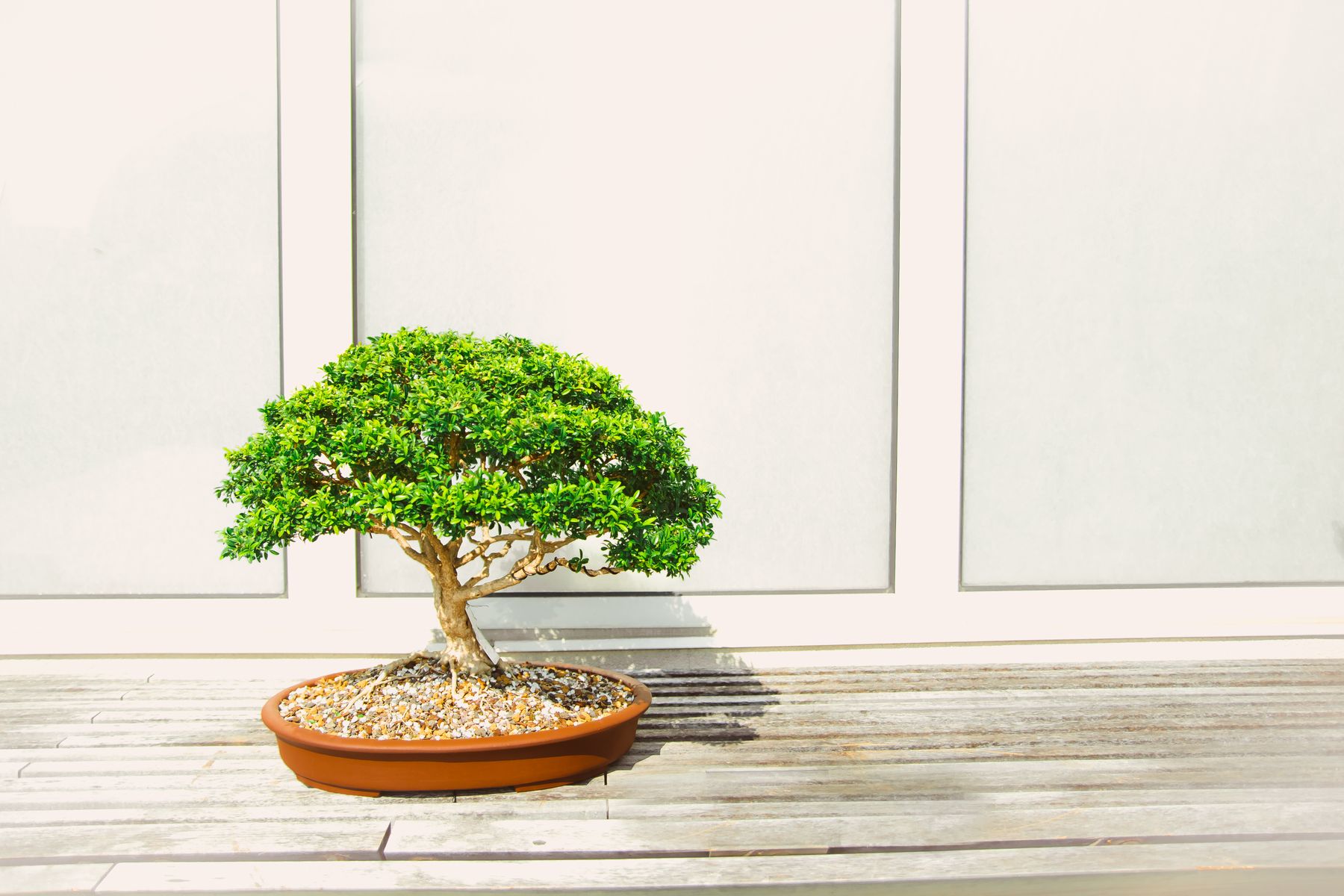
Tree price changes with age, trunk development, species, styling, and pot quality; bonsai pot pricing varies just as widely. The bonsai pricing overview from Bonsai Empire makes the same point: age and design strongly influence value.
For the first setup, spend on function before specialist gear. The cost of bonsai tools can grow quickly once specialty cutters enter the kit. A basic pair of pruning shears, aluminum wire, free-draining bonsai soil, and a pot with drainage can cover the first season. Concave cutters, root hooks, turntables, premium ceramics, and other specialist items can wait until you know which techniques you use.
A practical 2026 bonsai starter kit price range can be built in four levels. These are planning allowances because species, shipping, pot choice, and local availability move the total:
- about $50-$80 for one inexpensive tree, basic soil, and improvised household tools;
- around $100-$180 for a beginner tree, pruning shears, wire, substrate, and a simple training pot;
- roughly $200-$350 for stronger nursery material plus a small dedicated tool kit and repotting supplies;
- $500+ for a developed tree, better cutters, specialty soil components, higher-grade pots, and room for replacements.
Buying expensive material early raises the cost of every mistake.
Bonsai has recurring costs, though one healthy tree can be inexpensive to maintain. Fertilizer, replacement wire, bonsai soil mix, pest control, and occasional pots make up most routine spending.
Repotting creates the largest periodic bump. Depending on species and development stage, a tree may need fresh substrate and root work on a schedule measured in years. Larger trees need greater soil volume, stronger wire, bigger containers, and heavier tools, so the annual average rises as the collection grows.
Set aside a maintenance fund so routine purchases stay predictable. For one or two small trees, $25-$75 per year can cover ordinary consumables if you reuse pots and tools. Track consumables by tree and by season. A larger bag of substrate can lower unit cost. Storage space and moisture exposure matter when the material sits for years.
Climate can add another expense. The price of an indoor bonsai tree is only one part of keeping a tropical species healthy. Indoor bonsai may need supplemental lighting in a dark home, and outdoor species in cold regions may need winter protection. Temperate trees also require seasonal dormancy, so keeping them permanently inside can create care problems that spending cannot fix.
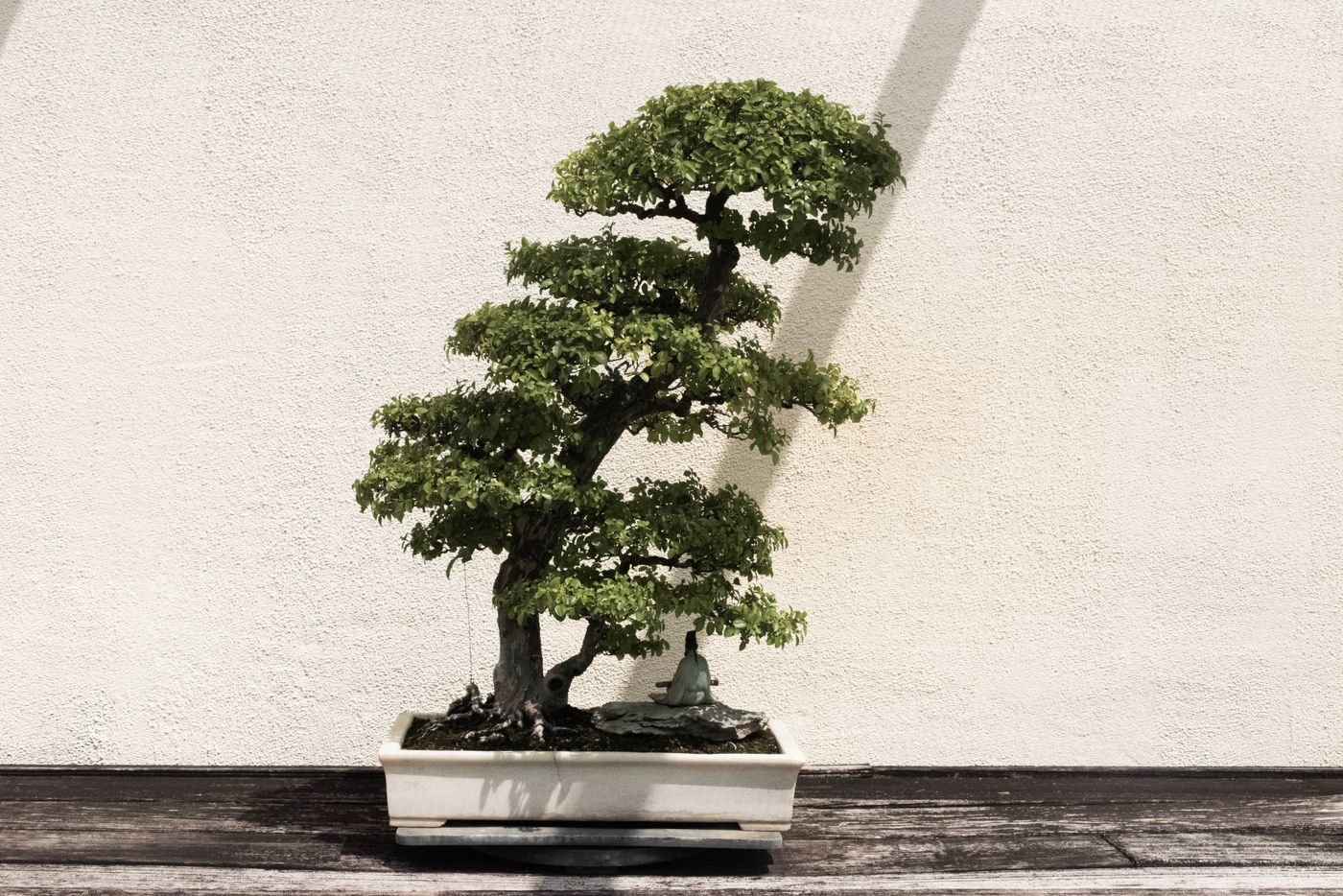
A finished bonsai gives you a developed appearance quickly. Young nursery material usually costs less. Local nurseries can offer juniper, elm, maple, cotoneaster, or other suitable stock that still needs trunk and branch work. You pay for plant material with the training work still ahead.
Bonsai clubs can help beginners find species suited to local heat, frost, humidity, and watering conditions.
Growing from seed has a low entry price and a long timeline. Cuttings and nursery stock shorten that wait.
Use this buying check before spending on any plant. It keeps a low sticker price from turning into a poor-value purchase:
- choose a species that matches the place where you can actually keep it;
- inspect roots, trunk movement, branch structure, and signs of pests;
- ask when the tree was last repotted and what substrate it uses;
- compare the plant price with immediate pot, soil, quarantine, and transport needs.
A $35 nursery plant that needs only wire can be a better first project than a $60 kit with weak material. Healthy growth and useful structure matter most.
Most beginner setups are small enough to fund from ordinary hobby spending. Put a monthly amount aside and buy tools when a technique requires them.
Credit becomes relevant when a mature specimen, handmade pot, display stand, workshop fee, or large tool order pushes the purchase into several hundred dollars. Compare the total repayment cost with the value of waiting and saving. Credit-card rewards make sense when interest stays below the reward value, and buy-now-pay-later plans can make several small purchases harder to track.
A personal hobby loan is a poor fit for routine fertilizer or wire because the debt can outlast the supplies. If you finance a higher-value acquisition, check the APR, fees, repayment term, and monthly impact before signing.
The best bonsai cost plan leaves room for the tree to develop slowly. Start with healthy material and spend where care requires it. Let the collection grow at the same pace as your skills.